
PCOS Treatment in New Port Richey: What a Combined Hormone + Weight Loss Program Actually Looks Like
PCOS treatment works best when it addresses both sides of the condition: hormone imbalance and metabolic dysfunction. For many women, PCOS is not just irregular periods, acne, unwanted hair growth, or ovarian cysts. It is also commonly tied to insulin resistance, inflammation, weight gain, and difficulty losing weight. A combined hormone and weight loss program in New Port Richey focuses on identifying what is driving your symptoms, then building a personalized plan to improve cycle regularity, androgen balance, insulin response, and long-term metabolic health.
What Is PCOS?
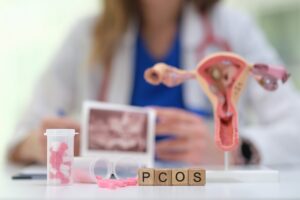
Polycystic ovary syndrome, or PCOS, is a hormonal and metabolic condition that can affect menstrual cycles, ovulation, skin, hair growth, weight, fertility, and long-term health. It is one of the most common endocrine disorders in women of reproductive age, but it often goes undiagnosed or undertreated.
PCOS is not the same for every woman. Some women have irregular periods and weight gain. Others have acne, facial hair, thinning hair, insulin resistance, fatigue, cravings, or difficulty getting pregnant. Some have normal-looking ovaries. Others have ovarian follicles seen on ultrasound.
That is why effective PCOS treatment should not be based on symptoms alone. It should start with a full clinical review, lab testing, and a deeper look at hormones, metabolism, inflammation, lifestyle, medications, and health history.
Current PCOS guidance supports individualized care that considers reproductive, metabolic, dermatologic, and psychological features rather than treating PCOS as a single-symptom diagnosis.
Why Does PCOS Make Weight Loss So Difficult?
PCOS can make weight loss harder because many women with PCOS have insulin resistance. When the body does not respond efficiently to insulin, blood sugar regulation becomes harder, cravings may increase, fat storage can become more stubborn, and energy can feel inconsistent.
This is why “eat less and exercise more” often fails women with PCOS. The issue is not always willpower. It is often a metabolic signaling problem.
A PCOS weight loss plan may need to address:
- Insulin resistance
- Blood sugar swings
- Elevated androgens
- Low progesterone or irregular ovulation
- Inflammation
- Sleep quality
- Stress hormones
- Thyroid function
- Gut health
- Muscle mass and protein intake
- Medication history
- Perimenopause or postpartum hormone shifts
Even modest weight loss may help improve menstrual regularity and metabolic markers in some women with PCOS, but weight loss should not be the only goal. The stronger objective is improving the internal environment that makes weight regulation, ovulation, and hormone balance more stable.
What Does A Combined Hormone And Weight Loss Program Include?
A combined PCOS program looks at the whole clinical picture instead of separating hormone care from weight loss care. This matters because PCOS symptoms often overlap.
For example, a woman may come in for weight gain, but the underlying pattern may include irregular ovulation, elevated testosterone, low progesterone, insulin resistance, poor sleep, and high stress. Another woman may come in for acne or facial hair growth, but the real driver may be androgen excess tied to insulin resistance.
A combined program may include:
- Comprehensive consultation
- Review of menstrual cycle history
- Review of weight history and previous diets
- Lab testing for hormones and metabolic markers
- Evaluation of insulin resistance
- Thyroid screening when appropriate
- Nutrition strategy based on blood sugar stability
- Medication options when clinically appropriate
- Peptide or injectable weight loss support when appropriate
- Hormone optimization when indicated
- Ongoing monitoring and plan adjustments
The point is not to force every patient into the same protocol. The goal is to identify the dominant drivers of PCOS symptoms and build a plan around the woman in front of us.
Which PCOS Symptoms Can A Combined Program Help Address?
A combined hormone and weight loss program may help address several PCOS-related concerns, depending on the patient’s labs, symptoms, and medical history.
Common PCOS symptoms include:
- Irregular periods
- Missed periods
- Heavy or unpredictable bleeding
- Weight gain
- Difficulty losing weight
- Belly fat
- Sugar cravings
- Fatigue
- Acne
- Oily skin
- Facial hair growth
- Hair thinning
- Mood changes
- Trouble sleeping
- Infertility or irregular ovulation
- Elevated insulin or blood sugar concerns
Some women also experience symptoms that overlap with estrogen dominance, low progesterone, thyroid imbalance, or perimenopause. That is one reason provider-guided testing is important. PCOS should not be guessed from a symptom checklist.
What Labs Are Typically Reviewed For PCOS?
Lab work helps clarify whether PCOS symptoms are being driven by androgen excess, insulin resistance, thyroid dysfunction, inflammation, nutrient deficiencies, or other hormone patterns.
Testing may include:
- Fasting glucose
- Fasting insulin
- Hemoglobin A1c
- Lipid panel
- Testosterone
- Free testosterone
- DHEA-S
- Estradiol
- Progesterone
- LH and FSH
- Thyroid markers
- Vitamin D
- B12
- Inflammatory or metabolic markers when appropriate
Not every patient needs every test. The testing plan should match symptoms, history, cycle status, medications, fertility goals, and safety considerations.
Is PCOS A Hormone Problem Or A Weight Problem?
PCOS is both hormonal and metabolic for many women. Treating it as only a weight problem is incomplete. Treating it as only a reproductive hormone problem is also incomplete.
Hormones influence weight, appetite, insulin sensitivity, sleep, cravings, fat storage, mood, and menstrual cycles. Metabolic dysfunction can also worsen androgen levels, ovulation, and inflammation.
That means a woman can lose weight and still need hormone support. Another woman may need hormone optimization before weight loss becomes more responsive. The right sequence depends on her labs and clinical picture.
Does Medical Weight Loss Help PCOS?
Medical weight loss may help some women with PCOS, especially when insulin resistance, elevated BMI, blood sugar changes, or metabolic risk factors are present.
Medical weight loss may include lifestyle support, nutrition planning, strength training guidance, metabolic monitoring, medication options, and injectable therapies when appropriate. Metformin is commonly used for metabolic features of PCOS, while newer anti-obesity medications may be considered for some patients based on clinical eligibility and safety review.
Medication is not a replacement for nutrition, sleep, movement, and long-term behavior change. It is a tool. For PCOS, the best results usually come from combining medical support with a strategy that stabilizes blood sugar, improves insulin response, preserves muscle, and supports hormone balance.
Can Hormone Therapy Help PCOS?
Hormone-related treatment may help some PCOS patients, but it depends on the specific imbalance.
Some women need support for irregular ovulation. Some need help managing excess androgens. Some may have low progesterone patterns. Others may also be entering perimenopause, which can make PCOS symptoms feel worse or more unpredictable.
Traditional PCOS care may include hormonal contraceptives for cycle regulation, acne, or androgen-related symptoms in women who are not trying to conceive. Metformin may be used when metabolic or glycemic issues are present. Fertility-focused care is different and may require ovulation-inducing medications or referral to a reproductive specialist.
At Cheval Wellness, the focus is not simply suppressing symptoms. The goal is to understand the hormone pattern, metabolic pattern, and patient goals so the treatment plan makes sense clinically.
What If I Have PCOS And Perimenopause Symptoms?
PCOS and perimenopause can overlap. Women in their late 30s and 40s may experience worsening weight gain, cycle changes, heavier bleeding, sleep disruption, mood changes, low libido, hot flashes, or more stubborn belly fat.
This can become confusing because PCOS already affects cycles and hormones. Perimenopause adds another layer of fluctuation.
A combined hormone and weight loss approach is especially useful in this stage because the plan may need to address:
- Insulin resistance
- Declining progesterone
- Estrogen fluctuation
- Androgen symptoms
- Thyroid function
- Sleep disruption
- Muscle loss
- Inflammation
- Stress load
This is also where cookie-cutter weight loss programs often fail. The body is changing, and the treatment strategy needs to change with it.
What Makes PCOS Treatment At Cheval Wellness Different?
Cheval Wellness takes a personalized, medically guided approach to PCOS treatment in New Port Richey and the surrounding Trinity, Odessa, and West Pasco area.
Instead of giving every woman the same diet plan or medication, Angela Mineo, APRN evaluates the larger pattern behind the symptoms. The goal is to identify why the body is resisting weight loss, why cycles are irregular, why androgen symptoms are showing up, and what metabolic issues need to be addressed.
A combined plan may include hormone testing, metabolic review, nutrition guidance, medical weight loss support, lifestyle strategy, and ongoing follow-up.
The difference is structure. PCOS is not treated as a single problem. It is approached as a connected hormone and metabolic condition.
How Long Does PCOS Treatment Take?
PCOS treatment is not instant. Some women notice improvements in energy, cravings, bloating, or appetite control within the first few weeks of a well-designed plan. Cycle changes, androgen symptoms, acne, hair growth, and weight changes usually take longer.
A realistic PCOS program often tracks progress over several months because hormones, insulin response, body composition, and menstrual rhythm need time to shift.
Progress may include:
- More predictable cycles
- Reduced cravings
- Improved energy
- Better sleep
- Weight loss or body composition change
- Improved insulin markers
- Reduced acne
- Reduced bloating
- Better mood stability
- Improved confidence and consistency
The goal is not a quick fix. The goal is a sustainable clinical plan that helps the body function better.
Who Is A Good Candidate For A PCOS Consultation?
You may be a good candidate for a PCOS consultation if you have been diagnosed with PCOS or suspect you may have it.
Common reasons women schedule include:
- Irregular periods
- Weight gain that does not respond to dieting
- Difficulty losing weight despite effort
- Acne or facial hair growth
- Hair thinning
- Sugar cravings
- Fatigue
- Trouble getting pregnant
- History of insulin resistance
- Elevated testosterone
- PCOS symptoms worsening after 35
- Perimenopause symptoms layered over PCOS
You do not need to have every symptom. PCOS can present differently from woman to woman.
When Should PCOS Be Evaluated More Urgently?
You should seek medical evaluation promptly if you have very heavy bleeding, severe pelvic pain, sudden symptoms, symptoms of diabetes, rapidly worsening hair growth, or missed periods with possible pregnancy.
PCOS can be managed, but symptoms should not be ignored. Irregular cycles, insulin resistance, and androgen excess can have long-term health implications, especially when left untreated.
PCOS Treatment In New Port Richey Starts With Better Answers
If you have PCOS, suspect PCOS, or feel like your body is working against you, the next step is not another generic diet. It is a deeper clinical evaluation.
At Cheval Wellness, Angela Mineo, APRN helps women in New Port Richey, Trinity, Odessa, and the surrounding West Pasco area understand the hormone and metabolic patterns behind PCOS symptoms. A combined hormone and weight loss program gives you a more complete path forward, one built around your labs, your symptoms, and your long-term health goals.
Frequently Asked Questions About PCOS Treatment In New Port Richey
What is the best treatment for PCOS?
The best PCOS treatment depends on the patient’s symptoms, labs, fertility goals, metabolic health, and hormone pattern. Many women benefit from a combined plan that addresses both hormones and insulin resistance.
Can weight loss improve PCOS symptoms?
Weight loss may improve menstrual regularity, insulin sensitivity, cholesterol, and some androgen-related symptoms for some women with PCOS. However, PCOS treatment should focus on metabolic and hormone function, not weight alone.
Does PCOS always cause weight gain?
No. Some women with PCOS are not overweight. However, many women with PCOS struggle with insulin resistance, cravings, belly fat, or difficulty losing weight.
Can PCOS be treated without birth control?
Some PCOS patients may be treated without birth control, depending on symptoms and goals. Options may include metabolic support, nutrition changes, weight loss medication when appropriate, insulin-sensitizing medication, progesterone support, or other provider-guided strategies.
Is PCOS related to insulin resistance?
Yes, insulin resistance is common in PCOS. It can contribute to weight gain, cravings, blood sugar problems, inflammation, and higher androgen levels.
Can medical weight loss help women with PCOS?
Medical weight loss may help women with PCOS when excess weight, insulin resistance, or metabolic dysfunction is part of the clinical picture. A provider should determine whether medication or injectable support is appropriate.
How do I know if my PCOS is hormone-related or metabolism-related?
Most PCOS cases involve both. Lab testing, symptom review, cycle history, and metabolic screening help determine which drivers are most important in your case.
Do I need labs before starting PCOS treatment?
Labs are strongly recommended because PCOS symptoms can overlap with thyroid disease, perimenopause, adrenal issues, insulin resistance, and other hormone patterns.

Angela Mineo, DNP, APRN, is an autonomous Adult-Gerontology Primary Care Nurse Practitioner and founder of Cheval Wellness in New Port Richey, Florida. Her clinical focus includes women's hormone optimization, fertility and preconception optimization, PCOS, thyroid health and metabolic health. She holds advanced training in bioidentical hormone replacement therapy and is completing post-master's training in women's health.